NewBrain:
Designed to Support Memory and Focus
At NewBrain, we use targeted neurological biofeedback to strengthen brain function and reduce cognitive decline. Our approach combines evidence‑based neuromodulation with a warm, supportive environment designed to help patients and their loved ones feel safe, informed, and cared for. We are committed to delivering exceptional, compassionate care that promotes meaningful improvements in cognitive health and overall quality of life.
ABOUT US
The NewBrain Start:
NewBrain™ was founded in 2012 by Dr. Bob Montes, Ph.D., with the goal of bringing an established, decades‑old brain‑training method to children with learning differences such as ADHD. Although this approach had already been used in various settings for many years, the strong outcomes observed in Dr. Montes’s early programs helped highlight its potential. As more people experienced benefits, the method naturally gained traction across a wider range of applications, including pain management, sleep regulation, memory support, and PTSD.
As its long-standing track record continued to grow, the treatment steadily earned broader acceptance within the medical community as a meaningful, non-invasive tool for promoting healthier brain function. Building on this foundation, Dr. Montes has partnered with neurologist Dr. Peter Futrell, MD, to expand NewBrain™ services to the geriatric population, offering targeted support for cognitive health and memory as individuals age.

What is NewBrain?
NewBrain uses state-of-the-art neurofeedback technology to strengthen the brain and help it function better.
Neurofeedback is a form of brain‑based training that uses real‑time measurements of electrical activity in the brain to help individuals learn to regulate their own neural patterns. During a session, sensors placed on the scalp record brainwave activity, which is then translated into visual or auditory feedback—often through simple animations, sounds, or games. When the brain produces more desirable patterns, the feedback responds positively, reinforcing those states. This feedback gently guides the brain toward healthier patterns, much like coaching helps someone refine a physical skill.
People often describe neurofeedback as “exercise for the brain.” It doesn’t involve medication or anything invasive—just training followed by a visual or auditory signal that acts as a reward when the brain is performing well. Many individuals use it to support focus, memory, emotional balance, stress management, or sleep. The goal is to help the brain become stronger, more flexible, and more efficient in areas that are problematic.
OUR SERVICES
Explore our Psychology & Wellness Services

Diagnostic Intake

Counseling Psychology

Psychological & Educational Evaluations

Master Trainer of NLP, Hypnotherapy, and Coaching

Comprehensive Blood Work & Analysis
Supplements & Pharmacy

Ionic Foot Bath

NAET Allergy Elimination

Nutrition Response Testing

Multichannel Biofeedback
Neurofeedback is a gentle, non‑invasive form of brain training that uses real‑time feedback from your brain’s electrical activity to help strengthen healthier, more efficient patterns of functioning.
By measuring brainwaves through sensors on the scalp and providing immediate visual or auditory feedback, neurofeedback teaches the brain to self‑regulate—improving focus, emotional balance, sleep, and overall cognitive performance. It is a well‑established method grounded in neuroscience and learning theory, and it supports the brain’s natural ability to reorganize and optimize itself over time.
Neurofeedback can support improvements in attention, anxiety, mood regulation, sleep, stress tolerance, and overall cognitive functioning by training the brain to operate more efficiently.
Yes, neurofeedback is considered very safe because it is non‑invasive and drug‑free, with most people experiencing no side effects other than occasional temporary fatigue or mild headache as the brain adjusts.
During a session, sensors are placed on the scalp to measure brain activity while you watch a movie or engage with simple visual feedback that rewards the brain for moving into healthier patterns.
Many individuals begin noticing subtle improvements within 6–10 sessions, though lasting change typically develops gradually over the course of consistent training.
Yes, neurofeedback is safe and appropriate across the lifespan, and protocols can be tailored to the unique needs of children, adults, and older adults.
Unlike medication, which alters brain chemistry, neurofeedback trains the brain to self‑regulate, and it complements traditional therapy by addressing the neurological patterns underlying emotional or cognitive symptoms.
Most people attend sessions 2-3 times per week to allow the brain to learn and retain new patterns effectively. An average of 20 sessions are conducted over the course to allow the brain to consolidate learning.
OUR TEAM MEMBERS
Meet Our Founders and Our
Team Members

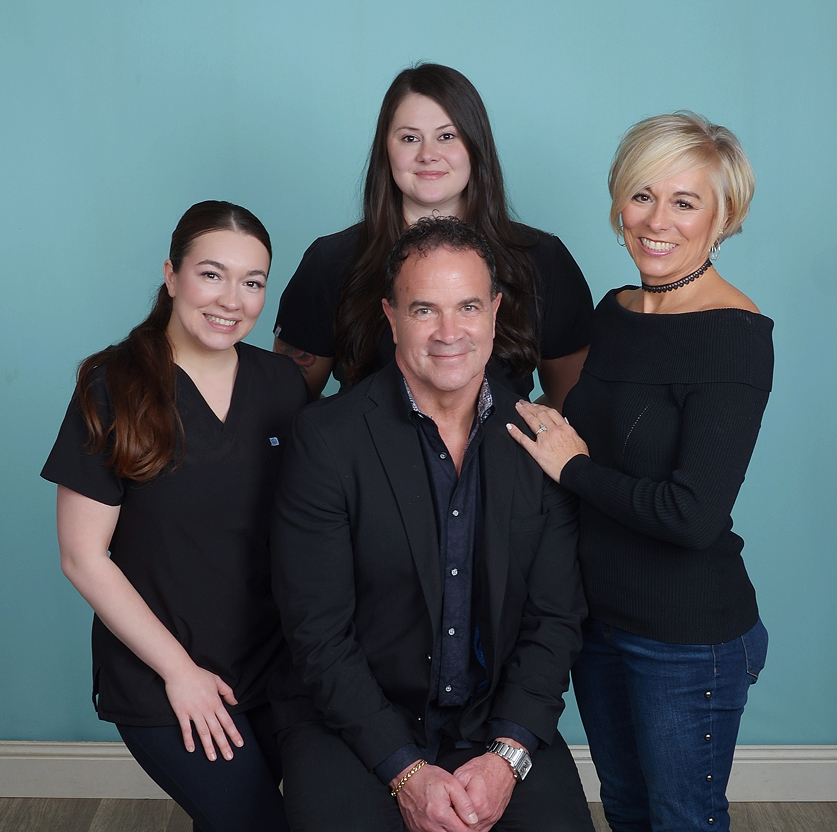
Dr. Bob Montes
Doctor of Philosophy in Psychology
Diplomate in Quantitative EEG
Board Certified in Neurofeedback

Christy Montes, N.D.

Kailee Montes

Melody O.

Afia B.

Carlyn B.

Alyssa G.
TESTIMONIALS
What Clients Says About Us